Learning how to prevent burst pipes in winter is one of the most valuable steps homeowners can take to protect their property, plumbing system, and wallet. Cold snaps can arrive quickly in Florida, especially in the Jacksonville and Orange Park areas, where residents are not always prepared for freezing temperatures. While our winters are milder than those in other parts of the country, a sudden chill can still leave exposed or unprotected pipes vulnerable to cracking, leaking, or bursting. When that happens, the resulting water damage can easily cost thousands of dollars, not to mention the stress and disruption that comes with emergency plumbing repairs. Thankfully, with the right preventive measures, you can drastically reduce the risk of frozen and burst pipes.
Why Cold Weather Causes Pipes to Burst
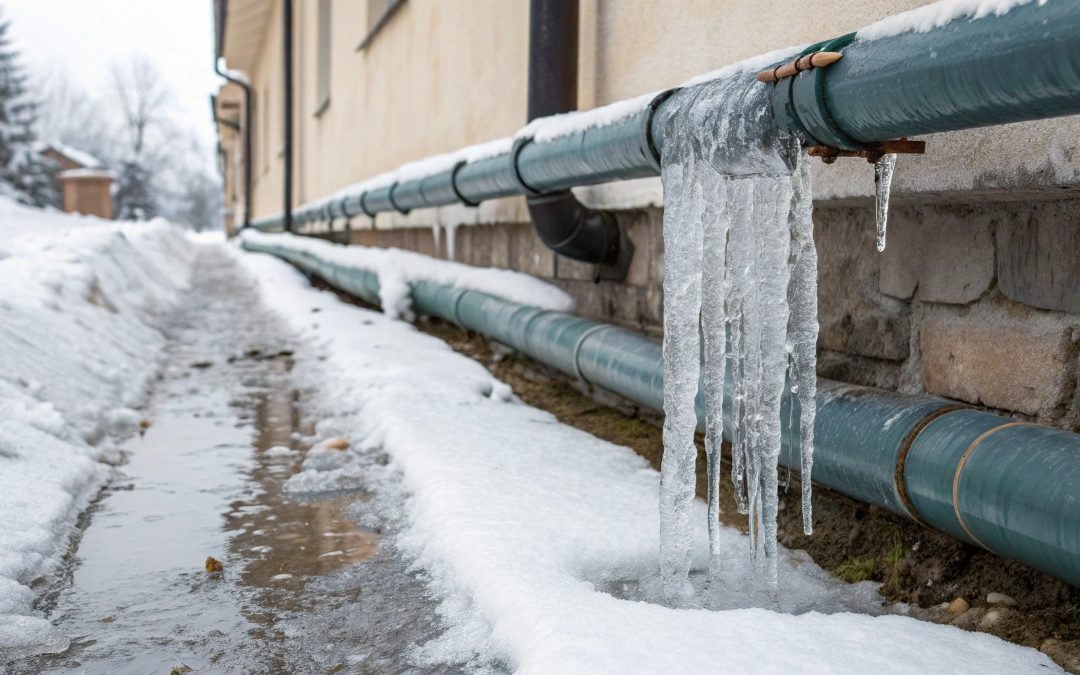
Understanding why pipes burst is the first step toward preventing them. When water freezes, it expands. In a confined space like a pipe, that expansion creates intense pressure. If the pressure has nowhere to go, the pipe cracks. Most people assume bursts happen at the ice blockage itself, but the real rupture point is usually between the ice and a closed faucet, where water pressure builds. Uninsulated pipes, pipes located along exterior walls, and sections running through attics, basements, or crawl spaces are most at risk. Even a small crack can lead to major flooding once the ice thaws and water flow returns.
Identify Your Vulnerable Pipes
Not all pipes face the same level of risk. To minimize damage, take time to identify the areas in your home that need the most attention. Look for pipes that are:
- Located outdoors or underground near the surface
- Exposed in unheated areas such as garages, sheds, attics, or crawl spaces
- Positioned near exterior walls without insulation
- Running through cabinets under sinks, especially on outside walls
Mark these areas so you know where to focus your insulating efforts. If you have a larger property with multiple outbuildings, irrigation systems, or an older home with irregular plumbing routes, a professional inspection can be especially helpful.
Insulate Pipes Before Cold Weather Hits
Pipe insulation is one of the easiest and most affordable ways to prevent freezing. Foam pipe sleeves, fiberglass wraps, and even heat tape can be installed with minimal tools and effort. Foam sleeves are ideal for most indoor pipes because they slide on quickly and provide immediate insulation. Fiberglass wraps work well in areas with fluctuating temperatures. Heat tape, which is electrically powered, provides direct warmth to pipes and is perfect for high-risk areas. Insulating your hot water pipes not only prevents freezing but also helps retain heat, potentially lowering your utility bills. It is a win-win for comfort and efficiency.
Seal Air Leaks to Keep Cold Air Out
Cold air drafts are the enemy of warm pipes. Even a small air leak near a plumbing line can allow temperatures to drop rapidly. Look around your home for gaps or cracks around windows, doors, piping entry points, attic hatches, and vents. Seal these openings with caulk, weather stripping, or expanding foam. Pay special attention to areas where pipes penetrate exterior walls. These spots often have gaps that go unnoticed, and cold wind can rush in and chill your plumbing quickly. Sealing air leaks also improves your home’s overall energy efficiency.
Keep Indoor Temperatures Consistent
When the forecast calls for freezing temperatures, keep your thermostat set to a consistent temperature throughout the day and night. Many homeowners reduce heat at night to save money, but this small change can dramatically increase the risk of frozen pipes. You do not need to set your thermostat excessively high. Simply maintaining a temperature of at least 55 degrees indoors can help prevent freezing in susceptible areas. If you plan to be away from home during a cold spell, do not turn off the heat. Instead, keep your thermostat at a consistent, safe temperature to avoid coming home to a costly disaster.
Let Faucets Drip During Extreme Cold
Running water does not freeze easily. When temperatures drop significantly, allow a small, steady trickle of water to run from faucets connected to vulnerable pipes. A slow drip relieves pressure in the pipes and keeps water moving, reducing the chance of ice forming. It may seem counterintuitive to let water run intentionally, but the cost of a slightly higher water bill is minimal compared to the expense of repairing a burst pipe or dealing with water damage. Choose faucets located at the far end of your plumbing system so that cold water moves completely through your pipes.
Open Cabinet Doors for Better Airflow
Areas under sinks, especially along exterior walls, are common trouble spots during cold weather. The enclosed space traps cold air, causing the pipes inside to freeze more easily. By opening cabinet doors, you allow warm air from your home to circulate around the pipes. If you have young children or pets, make sure to secure any cleaning products or chemicals before leaving cabinets open.
Disconnect and Drain Outdoor Hoses and Fixtures
Outdoor plumbing fixtures are the first to freeze when cold weather appears. Disconnect all garden hoses, drain sprinkler systems, and shut off exterior faucets from the interior shutoff valve if available. After turning off the water supply to outdoor spigots, drain any remaining water by opening the faucet. Installing insulated faucet covers adds an extra layer of protection and helps keep ice from forming at the fixture.
Use Heating Solutions in Vulnerable Areas
If you have pipes in areas that tend to get very cold, consider adding supplemental heat sources. Space heaters, heat lamps, and heating pads can be used in garages, crawl spaces, or basements. Always follow safety guidelines and never leave a heating device unattended. Heat tape, as mentioned earlier, is another excellent option because it provides direct warmth to the pipe itself.
Know the Signs of a Frozen Pipe
Recognizing early signs of freezing can help you take action before a pipe bursts. Warning signs include:
- Reduced water flow or no water at all
- Frost visible on exposed pipes
- Unusual noises or gurgling when faucets are turned on
- Strange odors coming from drains or faucets
If you suspect a pipe is frozen, turn off your main water supply immediately to prevent a burst. Do not use an open flame to thaw pipes. Instead, use a hairdryer, space heater, or warm towels to slowly melt the ice. If you cannot locate the frozen section or the pipe is difficult to reach, call a professional plumber right away.
Schedule Regular Plumbing Inspections
Preventive maintenance is one of the most effective ways to avoid plumbing emergencies. Having your plumbing system inspected regularly can help identify issues like corroded pipes, poor insulation, or outdated components before cold weather arrives. Professional plumbers can provide tailored recommendations for improving your system’s resilience during winter.
Consider Upgrading Old or Vulnerable Plumbing
If your home has older pipes or you have experienced freezing in the past, upgrading to more durable materials may be a smart long-term solution. Modern plumbing materials like PEX are more flexible and resistant to freezing compared to rigid copper or PVC. A plumbing professional can evaluate your system and recommend the best upgrades for your home.
Contact Lance Maxwell Plumbing Today
Cold weather might not be a constant threat in Jacksonville or Orange Park, but when it strikes, being prepared makes all the difference. If you want peace of mind knowing that your plumbing is protected, let the experts handle it. Lance Maxwell Plumbing is your trusted Jacksonville plumber with more than 31 years of experience serving local homeowners. We offer a full line of plumbing services from new construction plumbing to water heater installation and preventive maintenance. Our friendly and knowledgeable staff will do whatever it takes to meet your needs, and with 24/7 on-call availability, we are always ready to assist day or night. We also provide high-quality plumbing products from top brands like Delta, Kohler, and Moen. Contact us today and let our team help you safeguard your home from winter plumbing problems.