Few things are more frustrating than stepping into a warm, comforting shower only for the water to suddenly turn cold halfway through. If you have ever stood there shivering and wondering why does my water heater keep running out of hot water, you are definitely not alone. Homeowners across Jacksonville and Orange Park deal with this issue every day, and while it is annoying, it is also usually fixable. Your water heater is one of the hardest-working appliances in your home, and when something is off, it has a way of making itself known. Whether your hot water disappears in minutes or slowly declines over time, there are several potential causes worth exploring. Below, we dive deep into the most common reasons your water heater runs out of hot water and what you can do to fix it.
You May Have Sediment Buildup in the Tank
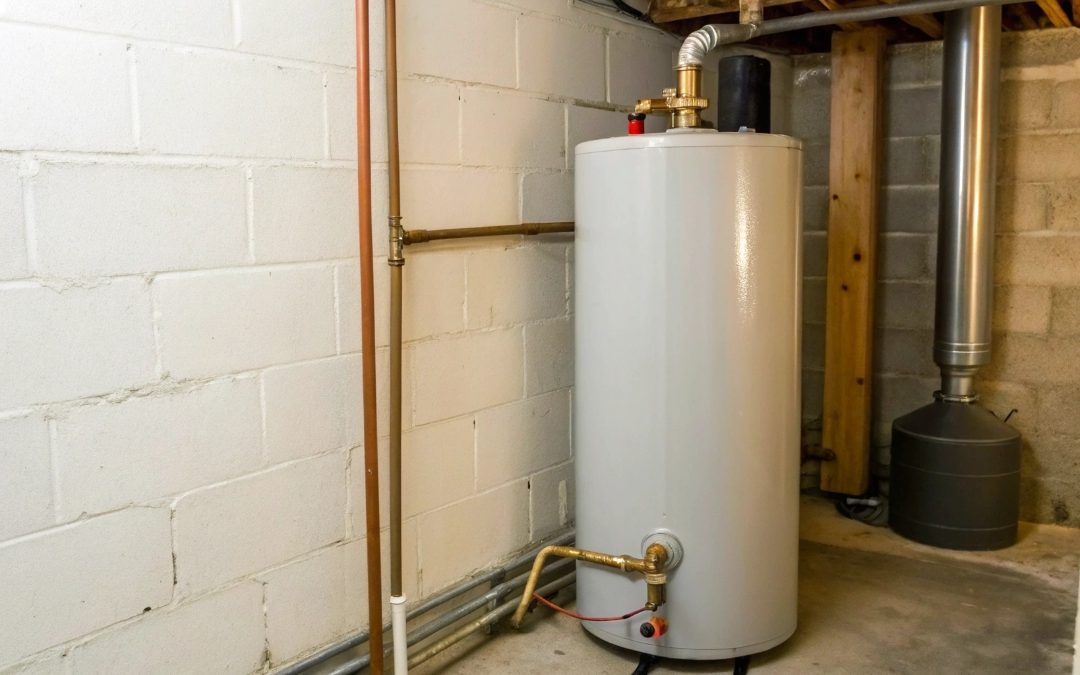
If your home has a traditional tank-style water heater, sediment buildup is one of the most likely culprits behind your dwindling hot water supply. Over time, minerals from hard water settle at the bottom of the tank. As they accumulate, they begin to form a layer of sediment that takes up valuable space and prevents your burner or heating element from working efficiently. This means your tank may say it is 40 or 50 gallons, but your usable hot water capacity could be much lower. Sediment also forces your heater to work harder, which accelerates wear and tear. A neglected tank can eventually start rumbling, popping, or making strange noises as the buildup shifts when the water heats. If your water heater has started sounding like it is boiling rocks, you are definitely overdue for a flush.
Your Household May Be Using More Hot Water Than Before
Maybe your water heater is functioning just fine, but your household’s hot water usage has increased over time. New family members, teenagers who enjoy regularly scheduled 30-minute showers, new appliances, or frequent loads of laundry can all contribute to faster hot water depletion. Many homeowners underestimate just how quickly hot water can be used up. For example, a standard shower uses about 2 to 2.5 gallons of water per minute. It does not take long to drain even a large tank. A water heater that previously worked perfectly may no longer be able to keep up with your family’s demands. In this case, the solution may be upgrading to a larger hot water heater or switching to a tankless water heater that provides continuous hot water on demand.
Your Dip Tube May Be Damaged
The dip tube is a simple but important component in your water heater. It pushes cold water to the bottom of the tank where it can be heated. When the dip tube breaks or deteriorates, the cold water starts mixing with the hot water at the top of the tank too early. This leads to lukewarm showers and hot water that runs out much faster than it should. Dip tube issues were especially common in certain models produced during the 1990s, but they can happen in any unit as it ages. Signs of a failing dip tube include sudden temperature drops, decreased hot water supply, and plastic pieces appearing in strainers or aerators. The good news is that a plumber can replace a damaged dip tube relatively quickly.
Thermostat Issues Could Be Affecting Water Temperature
Sometimes the problem lies not with the size or condition of your water heater, but with its thermostat. Most water heaters have two thermostats, one for the upper element and one for the lower element. If either one malfunctions or becomes miscalibrated, you may notice inconsistent water temperatures or a reduced supply of hot water. A faulty thermostat often prevents the lower heating element from activating when needed, meaning the water in the tank never reaches the desired temperature. Even if your heater still functions, the water may not be hot enough to meet your household’s needs. A professional can test, adjust, or replace the thermostat to restore consistent performance.
Your Heating Element or Burner May Be Failing
Electric water heaters use heating elements, while gas models rely on burners. If these components begin to fail, your water heater will struggle to heat water properly. For electric models, a burned-out lower element is a common issue and results in only a portion of the tank being heated. This greatly reduces the amount of hot water available. Gas water heaters can develop burner issues due to dust, dirt, or corrosion interfering with the flame. You may also have a pilot light that constantly goes out or a thermocouple that no longer senses when the burner should ignite. When these components malfunction, the heater cannot produce enough hot water, leading to shortages. Routine maintenance can catch these issues before they leave you stuck with cold showers.
Your Tank May Be Too Old to Keep Up
Water heaters do not last forever. Most units have a lifespan of about 8 to 12 years, depending on maintenance and water quality. As they age, internal components become less efficient, corrosion begins to take hold, and heating performance declines. An older water heater may take much longer to reheat water than it used to, or it may no longer reach the temperature it was once capable of delivering. If your water heater is well past its prime, you might be dealing with the natural consequences of an outdated system. Replacement can offer significant improvements in efficiency, capacity, and reliability. Modern models are designed to heat water faster and more effectively while reducing energy consumption.
Your Water Heater Could Be Undersized for Your Home
A tank that was the right size when you purchased your home may no longer be suitable if your household has grown or your water usage patterns have changed. Homes with large soaking tubs, multiple bathrooms, or high-efficiency appliances often require larger or more specialized water heating systems. An undersized tank can cause chronic issues where hot water regularly runs out despite the heater functioning perfectly. In this case, the problem is not mechanical but structural. Upgrading to a larger tank, installing a second water heater, or transitioning to a tankless system can provide a long-term solution.
Your Water Heater May Not Be Reheating Fast Enough
Even if your water heater can store enough hot water, slow recovery time can create ongoing frustrations. The recovery rate refers to how quickly a heater can warm a full tank of water after it has been depleted. Gas heaters typically recover faster than electric ones, but both can experience reduced performance if something is wrong. Sediment buildup, aging heating elements, thermostat problems, or ventilation issues can all cause slower reheating. If you notice that you have to wait a long time between showers or that your water seems to take forever to heat up again, this may be the issue. A professional inspection can pinpoint the source of the slowdown and restore your heater’s efficiency.
There May Be a Leak in the System
A leak anywhere in your water heater system can dramatically reduce the amount of hot water available. Even small leaks in the tank, pipes, or valves can cause the heater to work overtime to maintain temperature. In some cases, the tank itself may be corroding from the inside, allowing hot water to escape before it ever reaches your faucet. Leaks also pose safety hazards and increase your water bill, so they should be addressed promptly. If you suspect a leak, it is important to call a plumber right away to prevent further damage.
Your Tankless System Might Be Overloaded
While tankless water heaters are known for providing continuous hot water, they have limits. When too many fixtures demand hot water at the same time, the system can become overloaded. This causes inconsistent temperature or sudden drops in hot water availability. Tankless units are sized based on flow rates, so if you expand your home, add new appliances, or increase usage without upgrading the system, it may no longer be able to keep up. Adjusting your usage habits or upgrading to a larger capacity unit can resolve this issue.
Hard Water Could Be Causing Scaling
Jacksonville and the surrounding areas often have hard water, which means higher mineral content. Hard water can cause scaling inside both tank and tankless systems. Scaling reduces efficiency, strains heating components, and restricts water flow. In tankless systems, scaling often triggers error codes or causes the system to shut down temporarily. A professional descaling service or the installation of a water softener can greatly improve your heater’s performance and longevity.
Time to Restore Your Hot Water Comfort
If your water heater keeps running out of hot water, the best solution is to bring in a trusted professional who can diagnose the problem accurately and restore your comfort quickly. At Lance Maxwell Plumbing, we have more than 31 years of experience serving the Jacksonville and Orange Park communities. Our skilled team handles everything from water heater repair and installation to comprehensive maintenance services. We work with top-quality brands like Delta, Kohler, and Moen, and we are available 24/7 to ensure your home stays comfortable day and night. Do not put up with cold showers or unreliable hot water any longer. Contact us today and let our friendly, knowledgeable team provide the reliable plumbing solutions you deserve.