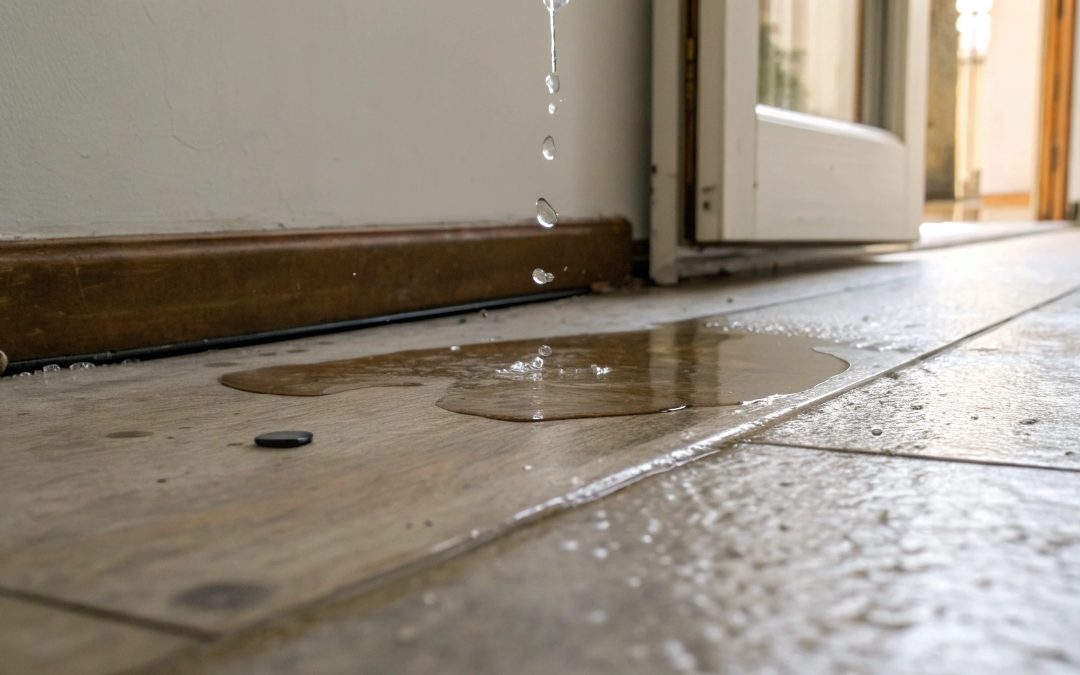
A hidden water leak may not seem like a major problem at first glance, but what you cannot see can absolutely hurt your home and your wallet. Many homeowners do not realize they have a leak until signs like rising water bills, damp spots, or mold begin to appear. That is why understanding how to find and fix a hidden water leak is essential for keeping your plumbing system healthy and avoiding costly plumbing repairs. Even a small leak that drips quietly behind a wall or beneath a floor can cause structural damage, wood rot, or harmful mold growth over time. Learning how to detect leaks early and knowing when to call in a professional can save you significant stress and money.
Why Hidden Leaks Are So Dangerous
Most plumbing problems give you loud, messy, and very obvious clues that something is wrong. Hidden leaks, however, are much more subtle. They can occur in areas you rarely look at or inside walls and floors where moisture slowly accumulates. Over time, that moisture can weaken your home’s structural integrity, warp flooring, damage drywall, and encourage mold and mildew growth. In addition to threatening your health and your home, hidden leaks also waste water and drive up utility costs. What starts as a minor nuisance can turn into a major repair if ignored.
Early Warning Signs of a Hidden Leak
Hidden leaks may be quiet, but they are not impossible to detect if you know what to look for. Here are some early warning signs that you may be dealing with a concealed plumbing leak.
Unexplained Increase in Water Bills
One of the first clues many homeowners notice is a sudden spike in water usage. If your daily habits have not changed, but your bill keeps climbing, this often points to a leak somewhere in the system.
Musty or Damp Odors
If certain rooms or areas begin to smell musty, that odor may be caused by trapped moisture. Mold begins growing within 24 to 48 hours of water exposure, and hidden leaks often create the perfect environment for it.
Stains or Discoloration on Walls and Ceilings
Brown, yellow, or discolored patches on walls or ceilings frequently indicate water damage. Even small stains can be a sign that water is seeping slowly through the drywall.
Warped or Buckling Flooring
Flooring materials like hardwood, laminate, and vinyl can warp or bubble when exposed to moisture over time. You may notice floors that feel soft or spongy in certain spots.
Reduced Water Pressure
If only certain fixtures experience low pressure, a leak in a nearby pipe may be restricting water flow.
Sounds of Dripping or Running Water
If you hear water movement when all faucets and appliances are turned off, this can be a major red flag.
Common Places Where Hidden Leaks Occur
Understanding the most common locations for hidden leaks can help you narrow down the source more quickly.
Behind Walls
Water supply lines and drainpipes run through your walls. Even a small pinhole leak in these pipes can create significant damage.
Beneath Floors
Slab leaks occur when pipes running under your foundation begin to deteriorate or break. These leaks are harder to detect but incredibly important to handle promptly.
Under Sinks
P-traps, drain lines, and supply lines often develop slow leaks that go unnoticed if you do not routinely check beneath your sinks.
Around Appliances
Water heaters, dishwashers, washing machines, and refrigerators with ice makers all have water connections that can loosen or deteriorate.
Outdoor Plumbing
Leaks can occur in irrigation systems, outdoor spigots, and underground pipes leading into the home.
How to Perform a Basic Leak Test
If you suspect a leak, there are simple ways to confirm whether your plumbing system is losing water.
Step 1: Check the Water Meter
Turn off all faucets, appliances, and fixtures that use water. Then check your water meter. If the meter continues to move, water is flowing somewhere in the system, indicating a leak.
Step 2: Read the Meter Again After Two Hours
Leave everything off for at least two hours without using any water. If the reading has changed, that confirms the presence of a leak.
How to Narrow Down the Source of the Leak
Once you know you have a leak, it is time to investigate further.
Listen Carefully
Walk around your home and listen for faint dripping or hissing sounds. Leaks behind walls often reveal themselves through subtle noises.
Inspect Walls and Floors
Pay close attention to areas that look damp, stained, or warped. Use a flashlight to inspect dark or hidden spaces.
Check Cabinets and Under Sinks
Slow leaks from drain lines or supply hoses often create mildew or moisture inside cabinets.
Test Toilets for Leaks
A toilet that runs constantly or slowly loses water may have a worn flapper or a faulty fill valve. Add a few drops of food coloring to the tank. If the color appears in the bowl without flushing, you have a leak.
Evaluate Outdoor Areas
Walk around the yard and check for soggy soil, unexpected puddles, or overly lush patches of grass that may indicate underground leaks.
Tools Professionals Use to Detect Hidden Leaks
While homeowners can catch many leaks through visual and auditory clues, some leaks require advanced technology to locate precisely. Professional plumbers may use:
Thermal Imaging Cameras
These devices detect temperature differences behind walls, helping plumbers identify moist or wet areas.
Acoustic Leak Detectors
These sensitive instruments amplify the sound of water escaping from pipes.
Moisture Meters
Used to measure moisture levels in drywall, flooring, and other materials.
Video Inspection Cameras
Small cameras fed into pipes help reveal cracks, blockages, or corrosion.
DIY Fixes for Small Leaks
Some small leaks are manageable without professional help, especially if they originate from accessible pipes or loose fittings.
Tighten Loose Connections
A wrench can often resolve leaks around joints or fittings that have loosened over time.
Replace Worn Washers or O-Rings
Faucets and hose connections frequently leak when old rubber seals begin to wear out.
Use Plumber’s Tape
Teflon tape wrapped around threaded pipe joints helps create a tighter, leak-resistant seal.
Patch Minor Pipe Damage
Pipe repair clamps or epoxy putty can temporarily patch small leaks until a professional arrives.
When to Call a Professional Plumber
While some leaks are straightforward, hidden leaks often require expert attention. It is time to call a plumber if:
You Notice Structural Damage
Warped walls, sagging ceilings, or buckling floors should always be handled by a professional.
Mold or Mildew Is Present
Visible mold means the leak has been active for some time and may still be ongoing.
The Leak Is in a Slab or Behind a Wall
These leaks require specialized equipment and training to repair safely.
You Cannot Locate the Leak
If you know water is escaping but cannot find where it is coming from, a professional can pinpoint the source quickly.
The Leak Is Getting Worse
Even minor leaks can escalate quickly if left untreated.
Preventive Measures to Reduce Future Leaks
Prevention is always more cost-effective than repair. Here are some steps you can take to reduce the risk of future leaks.
Inspect Pipes Annually
A yearly plumbing inspection helps catch early signs of wear.
Replace Aging Pipes
Older homes with galvanized or cast iron plumbing may benefit from system upgrades.
Maintain Proper Water Pressure
Excessive water pressure strains pipes and connections.
Insulate Exposed Pipes
Even in Florida, sudden temperature drops can cause pipes to expand and contract.
Service Appliances Regularly
Check hoses and connections on washing machines, water heaters, and dishwashers.
Call the Professionals at Lance Maxwell Plumbing
Hidden leaks are not just annoying; they can lead to significant structural damage, wasted water, and expensive repairs if left untreated. When you need expert help locating and repairing a concealed leak, the team at Lance Maxwell Plumbing is ready to step in. With more than 31 years of experience serving Jacksonville and Orange Park, we provide professional plumbing installation, repairs, and preventive maintenance services. Our friendly and knowledgeable staff works hard to ensure every customer receives top-quality service, no matter how big or small the issue may be. We also offer high-quality plumbing products from trusted brands like Delta, Kohler, and Moen to ensure lasting performance. With 24/7 on-call availability, you can rely on our team to resolve your plumbing problems any time of day or night.
If you suspect a hidden water leak or need help with any plumbing issue, contact us today. One of our experienced representatives will be happy to assist you and ensure your home stays safe, dry, and protected.