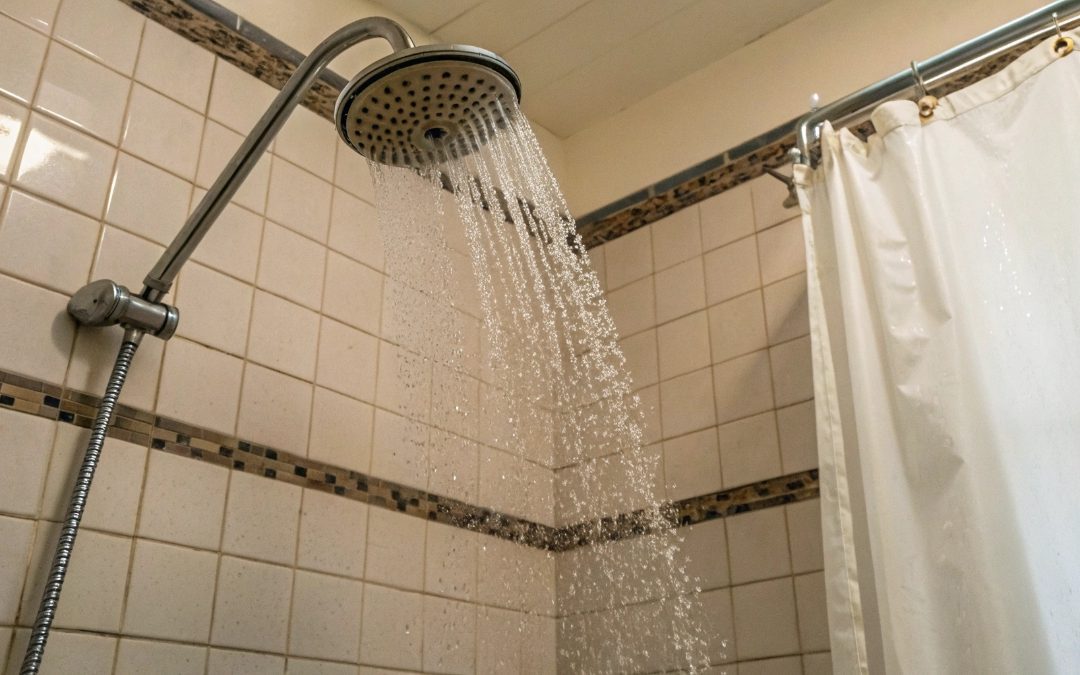
When your morning shower feels more like a light drizzle than a refreshing start to the day, you may be dealing with one of the most common household plumbing issues: low water pressure. The good news is that many homeowners can address the problem once they understand the common causes of low water pressure and how to fix them. Whether you live in a newer home with modern plumbing or an older home with aging pipes, low water pressure can strike at any time and often at the most inconvenient moment. Below, we walk through the typical reasons behind this frustrating issue and what you can do to restore strong, dependable water flow throughout your home.
Mineral Buildup in Pipes
One of the most common reasons for suddenly reduced water flow is the gradual accumulation of minerals inside your plumbing. Hard water contains calcium and magnesium that can cling to the inside walls of pipes over time. As these deposits grow, the pipe’s diameter effectively shrinks, restricting water flow and reducing overall pressure.
If your home has hard water, you may not notice the issue overnight. Instead, water pressure slowly decreases until you finally realize your fixtures are not performing as they once did. Faucets may take longer to fill a sink, and showerheads may deliver an uneven spray. A professional plumber can diagnose mineral buildup with specialized tools and recommend the best course of action, including pipe descaling or replacement if the buildup is severe. Installing a water softener can also help prevent the issue from recurring.
Partially Closed Shutoff Valves
Another surprisingly common cause of low water pressure is a shutoff valve that is not fully open. Homes typically have two key shutoff points: the main water valve and the valve near individual fixtures. If someone recently worked on your plumbing or attempted a DIY project, a valve may have been left slightly closed, inadvertently restricting water flow.
Fortunately, this is one of the simplest fixes available. Check your main valve, usually located near your water meter or where your main line enters the home. Ensure the handle is turned completely counterclockwise. Next, inspect fixture valves beneath sinks and behind toilets. A quick adjustment could be all you need to restore normal pressure.
Leaks in the Plumbing System
Water leaks reduce pressure because water escapes before reaching its intended destination. Even small leaks can create measurable drops in pressure over time. These leaks may be visible, such as dripping pipes under sinks, or hidden behind walls or beneath slabs, making them harder to detect.
If you notice unexplained high water bills, damp spots, mold growth, or the sound of running water when no fixture is in use, you may have a leak. Fixing leaks promptly prevents further pressure decline and preserves the integrity of your home. Professional plumbers can perform a leak detection test using equipment that identifies even the most elusive leaks.
Failing Pressure Regulator
Some homes are equipped with a pressure regulator, a device designed to keep water pressure within a safe and consistent range. If the regulator is failing, it can cause noticeable drops in water pressure or even spikes that may damage your plumbing.
Regulators typically fail gradually, and unless you are watching closely, you may not realize the problem right away. If your pressure suddenly drops throughout the entire home rather than in a single fixture, the regulator is a likely culprit. Replacing the pressure regulator is a job best left to professionals because it involves working directly with the main water line.
Old or Corroded Pipes
Older homes often have galvanized or cast-iron pipes that corrode over time. As corrosion builds inside the pipe walls, it narrows the pathway for water, creating the perfect recipe for low pressure. In severe cases, corrosion can lead to leaks or complete pipe failure.
If your home is more than a few decades old and has never undergone a plumbing update, deteriorating pipes may be the underlying cause of your water pressure problems. The long-term solution is repiping, which replaces old materials with modern copper or PEX piping. Although repiping is a significant investment, it greatly improves water quality, pressure, and the overall lifespan of your plumbing.
Clogged Aerators and Showerheads
Sometimes, low water pressure is not a system-wide issue. If one faucet or showerhead is producing a weak flow while others seem fine, the problem is likely a localized clog. Mineral deposits, sediment, and debris easily gather in aerators and showerheads, reducing pressure and disrupting spray patterns.
You can fix this by unscrewing the aerator or showerhead and soaking it in white vinegar for a few hours. This dissolves mineral buildup and restores proper flow. If cleaning does not solve the issue, consider replacing the fixture. Modern fixtures are often more efficient and can improve overall water performance.
Municipal Water Supply Issues
Occasionally, the problem has nothing to do with your home at all. Your local water provider may be performing maintenance, flushing hydrants, or experiencing equipment problems that temporarily reduce water pressure.
If your neighbors are experiencing the same issue, this is likely the cause. A quick call to your water provider can confirm whether the problem is temporary. If the issue persists after municipal service is restored, a professional inspection may be necessary to check for other contributing factors.
Water Heater Problems
Low water pressure in your hot water only is a clear sign of an issue with your water heater. Over time, water heaters accumulate sediment. This sediment buildup restricts flow and reduces the heater’s ability to deliver hot water efficiently.
Flushing your water heater once a year helps remove sediment and keeps your system functioning at its best. In some cases, older water heaters may require repair or replacement. If flushing does not resolve the pressure issue, a technician can determine whether a failing valve, corroded pipe, or tank deterioration is the source of the problem.
Faulty Plumbing Fixtures
Old or malfunctioning fixtures often deliver a lackluster performance even when your water pressure is otherwise normal. Valves within faucets can wear out, internal components may crack, and seals can fail, all resulting in reduced flow.
Replacing outdated fixtures with modern, high-quality options is an easy way to improve both appearance and function. Many homeowners are surprised at how much better their water pressure feels when they upgrade aging fixtures, especially in showers and kitchen sinks.
How to Prevent Low Water Pressure
While not every cause of low water pressure is avoidable, proactive maintenance goes a long way. Here are several ways to protect your home from future pressure issues:
- Flush your water heater annually to remove sediment.
- Clean aerators and showerheads regularly.
- Schedule routine plumbing inspections.
- Install a water softener if you live in a hard water area.
- Replace old or failing fixtures before they cause bigger problems.
- Act quickly when you notice leaks or changes in water flow.
These preventive measures help maintain consistent water pressure and extend the life of your plumbing system.
When to Call a Professional
If you have checked the basics and still cannot determine the cause of low water pressure, it may be time to bring in a plumbing expert. Some issues, such as leaks behind walls, corroded pipes, or failing pressure regulators, require specialized equipment and expertise. Taking a DIY approach to these problems can lead to expensive mistakes, so professional help is the safest and most efficient solution.
Call Lance Maxwell Plumbing Today
If you are tired of dealing with weak showers, slow sinks, or inconsistent water pressure, Lance Maxwell Plumbing is here to help. As your trusted Jacksonville plumber, we have more than 31 years of experience serving homeowners throughout Jacksonville and Orange Park. Our team provides reliable plumbing installation, repair, and maintenance services for everything from new construction to water heater replacement. Our knowledgeable staff is dedicated to delivering exceptional service, and with 24/7 on-call availability, you can count on us day or night. We also carry a full line of premium plumbing products from top brands like Delta, Kohler, and Moen. Contact us today and let one of our friendly representatives help you restore strong, dependable water pressure in your home.