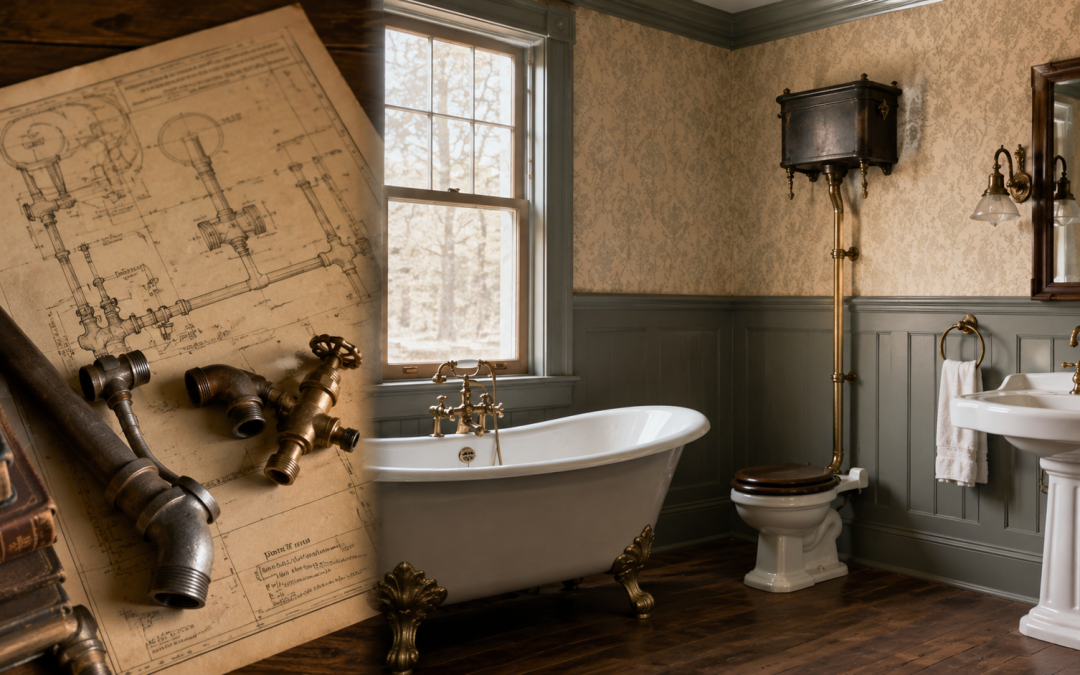
If you have ever wondered when was indoor plumbing invented, the answer is a little more complicated than naming one person, one year, or one shiny porcelain throne. Indoor plumbing developed over thousands of years, with early civilizations experimenting with drainage systems, water supply methods, toilets, baths, and sewer networks long before modern bathrooms became common. While ancient societies had surprisingly advanced plumbing for their time, the indoor plumbing we recognize today became widespread much later, especially during the 19th and 20th centuries. In other words, indoor plumbing was not invented all at once. It was built piece by piece, pipe by pipe, and probably with more trial and error than any homeowner wants to imagine.
The Ancient Origins of Indoor Plumbing
Indoor plumbing has roots that go back thousands of years, long before modern homes had bathrooms, kitchen sinks, water heaters, or washing machines. Some of the earliest known plumbing systems appeared in ancient civilizations such as the Indus Valley, Egypt, Greece, and Rome. These societies developed systems to move clean water into buildings and carry wastewater away, which was a major achievement at a time when most daily chores required manual labor. The Indus Valley Civilization, which flourished around 2500 BCE, had homes with drainage systems and even private bathing areas. That means some people were enjoying a basic version of indoor plumbing while much of the world was still carrying water by hand.
Ancient Egypt also contributed to early plumbing development, particularly in the homes and temples of wealthier citizens. Copper pipes were used in some structures, showing that early plumbers were already experimenting with durable materials. The Egyptians understood the value of water management for hygiene, agriculture, and religious practices. Their systems were not exactly like modern plumbing, but they helped set the stage for future innovation. It is safe to say that plumbing has always been connected to comfort, cleanliness, and convenience.
Roman Plumbing Changed the Game
When people talk about ancient plumbing, the Romans usually steal the spotlight, and for good reason. Ancient Rome developed massive aqueducts, public baths, sewer systems, and public toilets that were far ahead of their time. Aqueducts carried fresh water from distant sources into cities, while sewers helped remove wastewater from populated areas. The Cloaca Maxima, one of Rome’s most famous sewer systems, is still remembered as an engineering marvel. For a civilization without modern machinery, the Romans accomplished an impressive amount with stone, gravity, and determination.
Roman homes of the wealthy sometimes included private bathrooms, running water, and drainage systems. However, indoor plumbing was not available to everyone. Most ordinary people relied on public fountains, public baths, and shared toilets. Even so, Roman plumbing helped establish the idea that cities needed organized water and waste systems to function properly. Their work influenced future generations, even though many of these advances were lost or neglected after the fall of the Roman Empire. History has a funny way of reminding us that progress is not always a straight pipe.
What Happened After the Fall of Rome?
After the fall of the Roman Empire, many plumbing advancements slowed or disappeared in parts of Europe. Public sanitation systems deteriorated, and indoor plumbing became rare for centuries. During the Middle Ages, most people used chamber pots, wells, rivers, and outdoor privies. Waste disposal was often unpleasant and unhealthy, especially in crowded towns. It was not the most glamorous chapter in plumbing history, and it is probably one reason modern homeowners are very grateful for functioning drains.
The lack of proper sanitation contributed to serious public health issues. Contaminated water and poor waste management helped spread diseases in many communities. Although some castles and monasteries had basic drainage systems, these were not available to the general population. Indoor plumbing remained a luxury rather than a standard household feature. It would take major scientific, engineering, and public health developments before plumbing became more common again.
The Invention of the Flush Toilet
One of the biggest milestones in indoor plumbing history was the development of the flush toilet. Sir John Harington, an English courtier and godson of Queen Elizabeth I, designed an early flushing toilet in 1596. His invention included a water tank and a valve system that allowed waste to be flushed away. Although clever, it did not become widely used at the time. The world was apparently not quite ready to flush with confidence.
The flush toilet gained more practical momentum in the 18th century. In 1775, Alexander Cumming, a Scottish watchmaker and inventor, patented an improved toilet design that included the S-trap. This curved pipe helped keep sewer gases from entering the home, which was a major step forward in sanitation and comfort. Later improvements by other inventors made toilets more reliable and easier to use. These developments brought indoor plumbing closer to what we know today.
Indoor Plumbing in the 19th Century
The 19th century was a turning point for indoor plumbing. As cities grew larger during the Industrial Revolution, the need for clean water and safe waste removal became more urgent. Crowded urban environments made poor sanitation impossible to ignore. Disease outbreaks were often linked to contaminated water, leading officials and engineers to rethink how cities handled plumbing infrastructure. Public health became one of the strongest motivators for modern plumbing development.
During this period, municipal water systems, sewer networks, and indoor fixtures became more common in cities. Wealthier homes were among the first to install indoor bathrooms and running water. Cast iron pipes, improved valves, and better fixture designs helped make plumbing systems more dependable. Still, indoor plumbing was far from universal. Many rural areas and lower-income households did not receive modern plumbing until much later.
When Did Indoor Plumbing Become Common in Homes?
Indoor plumbing became increasingly common in American homes during the late 19th and early 20th centuries. In the beginning, it was mostly found in hotels, public buildings, and wealthy households. As cities expanded their water and sewer systems, more homes could connect to reliable plumbing networks. By the early 1900s, indoor bathrooms were becoming more desirable and more practical. Homeowners began to see indoor plumbing not just as a luxury, but as a sign of health, convenience, and modern living.
However, indoor plumbing did not become standard everywhere at the same time. Rural communities often lagged behind cities because they lacked municipal water lines and sewer systems. Many homes depended on wells, outhouses, and septic systems well into the 20th century. After World War II, indoor plumbing became much more widespread in the United States due to housing growth, modern construction standards, and expanded infrastructure. Today, most people consider indoor plumbing essential, right up there with electricity, heating, and a refrigerator that does not make mysterious noises at midnight.
The Role of Water Heaters in Modern Plumbing
Indoor plumbing is not just about toilets and drains. Water heaters also played a major role in making modern plumbing more comfortable and useful. Before reliable water heating systems became common, people had to heat water manually for bathing, cleaning, and laundry. That meant more labor, more time, and less convenience. Once water heaters became available for residential use, indoor plumbing became even more valuable.
Modern water heaters allow homeowners to enjoy hot showers, clean dishes, sanitized laundry, and comfortable daily routines. They also support many appliances and fixtures that people rely on every day. Whether powered by electricity, gas, or tankless technology, water heaters are now an essential part of many plumbing systems. A home may technically have running water without a water heater, but nobody wants to discover that during a morning shower. Hot water is one of those comforts people appreciate most when it suddenly disappears.
How Indoor Plumbing Improved Public Health
The rise of indoor plumbing changed far more than household convenience. It helped improve public health by reducing exposure to contaminated water and human waste. Clean water delivery and wastewater removal are two of the most important parts of a healthy community. When plumbing systems work properly, they help prevent harmful bacteria, sewage backups, and waterborne illnesses. This is why plumbing is often considered one of the most important public health innovations in history.
Modern plumbing also supports sanitation in schools, hospitals, restaurants, offices, and homes. Every sink, toilet, shower, drain, and water line plays a part in keeping people safe and comfortable. Proper installation and maintenance are especially important because plumbing problems can quickly become health and safety concerns. A small leak can lead to water damage, mold growth, and higher utility bills. A clogged sewer line can create an even bigger mess, both literally and financially.
Indoor Plumbing Today
Today, indoor plumbing is more advanced, efficient, and reliable than ever before. Homeowners can choose from high-quality fixtures, water-saving toilets, touchless faucets, tankless water heaters, and smart leak detection systems. Brands like Delta, Kohler, and Moen have helped make plumbing products more stylish, durable, and functional. Modern plumbing is no longer just about moving water from one place to another. It is also about efficiency, comfort, design, and long-term performance.
Even with all these advances, plumbing systems still need proper care. Pipes age, drains clog, fixtures wear out, and water heaters eventually need repair or replacement. Preventive maintenance can help catch small issues before they turn into expensive emergencies. Professional plumbers can inspect systems, diagnose problems, install new products, and recommend solutions that fit the home. Indoor plumbing may have ancient roots, but keeping it working well requires modern expertise.
Common Indoor Plumbing Services Homeowners Need
Modern homes rely on plumbing every single day, so it is no surprise that service needs can vary widely. Some issues are minor, while others require immediate attention from a professional plumber. Whether you are building a new home, updating an older property, or dealing with a sudden leak, having a trusted plumbing team makes a big difference. Professional service can protect your home, improve efficiency, and restore comfort quickly. After all, plumbing problems rarely wait for a convenient time.
Common indoor plumbing services include:
- Plumbing installation for new construction and remodeling projects
- Water heater installation, repair, and replacement
- Drain cleaning and clog removal
- Leak detection and pipe repair
- Toilet, sink, faucet, and fixture installation
- Preventive maintenance and system inspections
- Emergency plumbing repair
- Sewer and water line services
Why Professional Plumbing Installation Matters
Proper plumbing installation is one of the most important investments a homeowner or builder can make. A poorly installed system can lead to leaks, low water pressure, drainage problems, and costly repairs down the road. Professional plumbers understand building codes, pipe materials, fixture requirements, and proper system layout. They know how to install plumbing that works safely and efficiently. This is especially important for new construction projects, where plumbing needs to be planned correctly from the start.
Professional installation also helps protect the lifespan of plumbing products and appliances. Water heaters, faucets, toilets, and pipes all perform better when installed correctly. A trusted plumber can also help homeowners choose products that fit their needs, budget, and style preferences. High-quality brands like Delta, Kohler, and Moen can add lasting value when paired with skilled installation. It is a classic case of doing the job right the first time.
Preventive Maintenance Keeps Plumbing Problems Away
Preventive maintenance is one of the best ways to avoid surprise plumbing problems. Many issues start small, such as a slow drain, a minor leak, unusual water heater noise, or a slight drop in water pressure. If ignored, these small warning signs can turn into major repairs. Routine plumbing inspections can help identify trouble before it causes damage. That means fewer emergencies, better performance, and greater peace of mind.
Homeowners can also take simple steps to protect their plumbing systems. Avoid flushing wipes, grease, paper towels, or other items that can clog pipes. Check under sinks for moisture or signs of leaks. Pay attention to changes in water pressure, water color, or hot water availability. Schedule professional service when something seems off, because plumbing problems do not usually fix themselves. If they did, plumbers would have a lot more free time.
FAQ
When was indoor plumbing invented?
Indoor plumbing was not invented in one specific year. Early forms existed thousands of years ago in ancient civilizations, but modern indoor plumbing developed gradually and became common in homes during the late 19th and early 20th centuries.
Who invented indoor plumbing?
No single person invented indoor plumbing. Many civilizations, engineers, and inventors contributed to its development, including ancient Roman engineers, Sir John Harington, Alexander Cumming, and later plumbing innovators.
When was the flush toilet invented?
Sir John Harington designed an early flushing toilet in 1596. Alexander Cumming later patented an improved version in 1775 that included the S-trap, which helped block sewer gases from entering buildings.
When did indoor plumbing become common in America?
Indoor plumbing became more common in American homes in the late 1800s and early 1900s. It became widespread during the 20th century as municipal water systems, sewer systems, and modern housing expanded.
Did ancient Romans have indoor plumbing?
Yes, wealthy Romans sometimes had private plumbing systems, and Roman cities had aqueducts, public baths, fountains, and sewer systems. However, most people did not have private indoor plumbing like modern homes do today.
Why is indoor plumbing important?
Indoor plumbing provides clean water, removes wastewater, supports hygiene, and helps protect public health. It also makes daily life more comfortable and convenient.
What are the signs that I need plumbing repair?
Common signs include slow drains, low water pressure, water stains, dripping faucets, running toilets, sewer odors, unusual water heater noises, and unexpected increases in your water bill.
Call Lance Maxwell Plumbing Today
Indoor plumbing has come a long way from ancient drainage systems and early flush toilets to the efficient, comfortable plumbing systems we rely on today. Whether you need plumbing installation, water heater service, preventive maintenance, or emergency repair, having the right team makes all the difference. For homeowners and businesses in Jacksonville, Orange Park, and the surrounding areas, we are ready to help.
We are your trusted Jacksonville plumber with more than 31 years of experience providing plumbing installation and repair services. Our friendly and knowledgeable staff is committed to doing whatever it takes to ensure every customer’s needs are met. We offer a full line of plumbing services, from new construction applications to water heater installation and preventive maintenance. With on-call 24/7 availability, you can rest assured that our team will be there to resolve your plumbing issues, day or night. To accompany our premium services, we also offer high-quality plumbing products from trusted brands like Delta, Kohler, and Moen. Contact us today, and one of our representatives will be glad to assist you in addressing your plumbing needs.