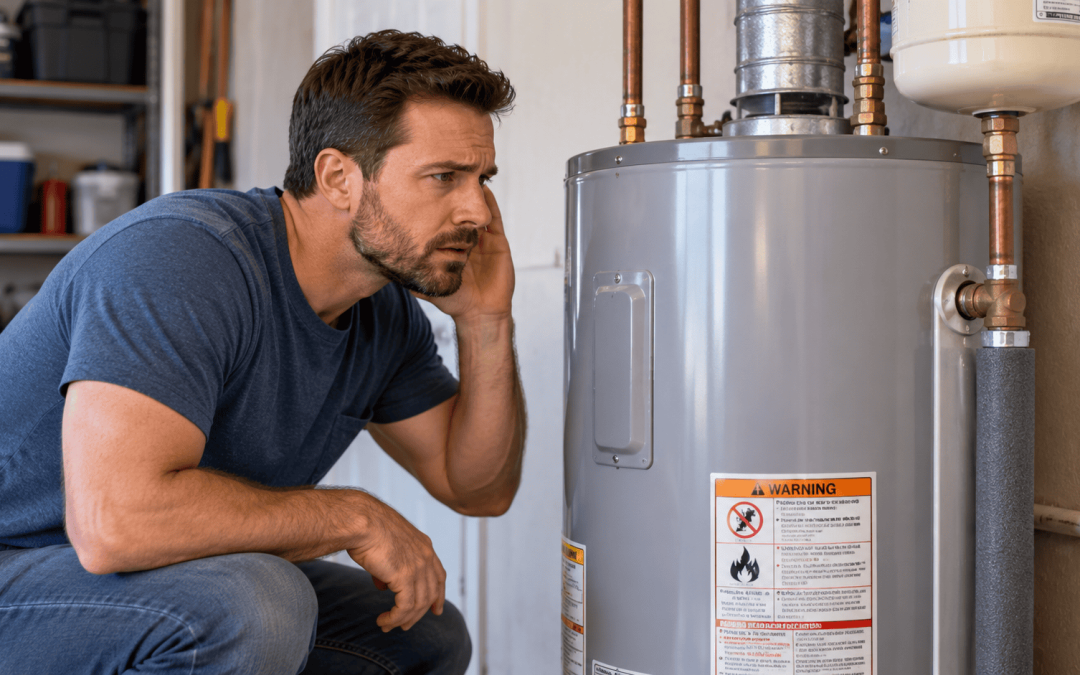
A humming water heater is usually caused by a vibrating heating element or sediment buildup, not an imminent explosion. The fix is usually simple. In the vast majority of cases, the fix is well within reach. Understanding the cause helps you decide whether to fix it yourself or call a licensed pro.
The Short Answer: What Causes That Water Heater Hum?
The humming noise coming from your water heater is almost always a vibration problem, not a pressure explosion waiting to happen. Something inside the tank, or attached to it, is vibrating as water moves through the system or as the heating cycle kicks on. Think of it like a guitar string that is slightly loose: when you pluck it, instead of a clean note, it buzzes against the neck. The same physics apply here. A component that should be firmly seated is moving just enough to create an annoying buzz.
For electric water heaters, the most common culprit is a heating element that has worked itself slightly loose over time. As electrical current flows through the element and hot water circulates around it, the element can vibrate at a low frequency. That vibration travels through the water, through the tank walls, and straight to your ears. Gas water heaters can hum too, though the cause there is more often related to water pressure fluctuations or sediment accumulation rather than the burner assembly itself.
Geography matters more than most homeowners realize. Around Northeast Florida, across Jacksonville, Orange Park, Middleburg, and the surrounding Clay and Duval County communities, our municipal water supply carries a heavy mineral load that naturally leaves behind thick deposits over time. That calcium and magnesium content speeds up scale formation inside the tank, which worsens whatever vibration issue is already present. A water heater that might hum faintly in a soft-water region can develop a loud, persistent noise in areas where hard water is the norm. It is not that your equipment is bad: it is just that our local water is tough on it.
Common Causes of Water Heater Humming Noise
Understanding the specific mechanical source of the hum helps you decide whether this is a Saturday morning DIY project or a time to give us a ring. The four causes below account for the overwhelming majority of cases. Here is what happens.
- Vibrating Heating Elements: In electric water heaters, the upper or lower heating element can loosen gradually through the natural expansion and contraction that happens during every heating cycle. Once loose, the element vibrates as water flows past it under pressure, producing a steady hum or buzz that is most noticeable when the unit is actively heating.
- Sediment and Scale Accumulation: Hard water minerals settle at the bottom of the tank over months and years, forming a crusty layer of scale. Water trapped beneath that layer heats up, creates localized boiling, and forces steam bubbles through the sediment, generating a humming, rumbling, or sizzling sound that can be surprisingly loud. This is one of the clearest signs that it is time to address water heater sediment buildup before it starts costing you in utility bills and equipment lifespan.
- High Water Pressure: When incoming municipal water pressure climbs above the standard residential range, ideally between 40 and 80 PSI, it creates rapid vibrations in supply lines, valves, and the tank itself. The hum you hear may originate in the pipes feeding the unit rather than inside the tank. Understanding low water pressure causes and the full pressure spectrum in your home can help you pinpoint whether this is the source.
- Loose Internal Dip Tube: The dip tube channels cold incoming water to the bottom of the tank so it does not mix with the hot water at the top. When that tube becomes loose or develops a crack, it can vibrate against the inner tank wall as cold water rushes in, producing an intermittent tapping or humming sound that often gets mistaken for a heating element issue.
No two water heaters hum for exactly the same reason, and sometimes more than one of these factors is at work at once. A unit with a slightly loose element and moderate sediment buildup will sound noticeably different from one where high water pressure is the primary driver. Isolating the source is the first real step toward fixing it.
Need a Professional Diagnostic? We Can Help
Diagnosing a water heater noise accurately requires more than listening: it means knowing what to listen for, understanding how the system behaves under load, and having the tools to check pressure, element condition, and sediment levels without creating a bigger problem in the process. Not every homeowner has an element wrench in the garage, or a pressure gauge on hand, and that is completely fine. We have both.
If you are in Duval County and want a fast, no-fuss inspection from someone who has seen this exact issue hundreds of times, reaching out to an emergency plumber in San Marco, FL gets you a same-day assessment without the guesswork. Our team covers Orange Park, Jacksonville, Middleburg, Green Cove Springs, and Fleming Island, with 24/7 on-call availability, so you are not stuck waiting through a weekend of that persistent hum. We’ve been keeping local neighbors safe since the ’90s, so you can count on us to clear it right up.
How to Troubleshoot and Stop the Humming Noise
If you want to investigate before calling anyone, a step-by-step approach keeps you safe and gives you useful information to share with a plumber if you do end up calling us. The most important rule: power off before you touch anything. Safety comes first.
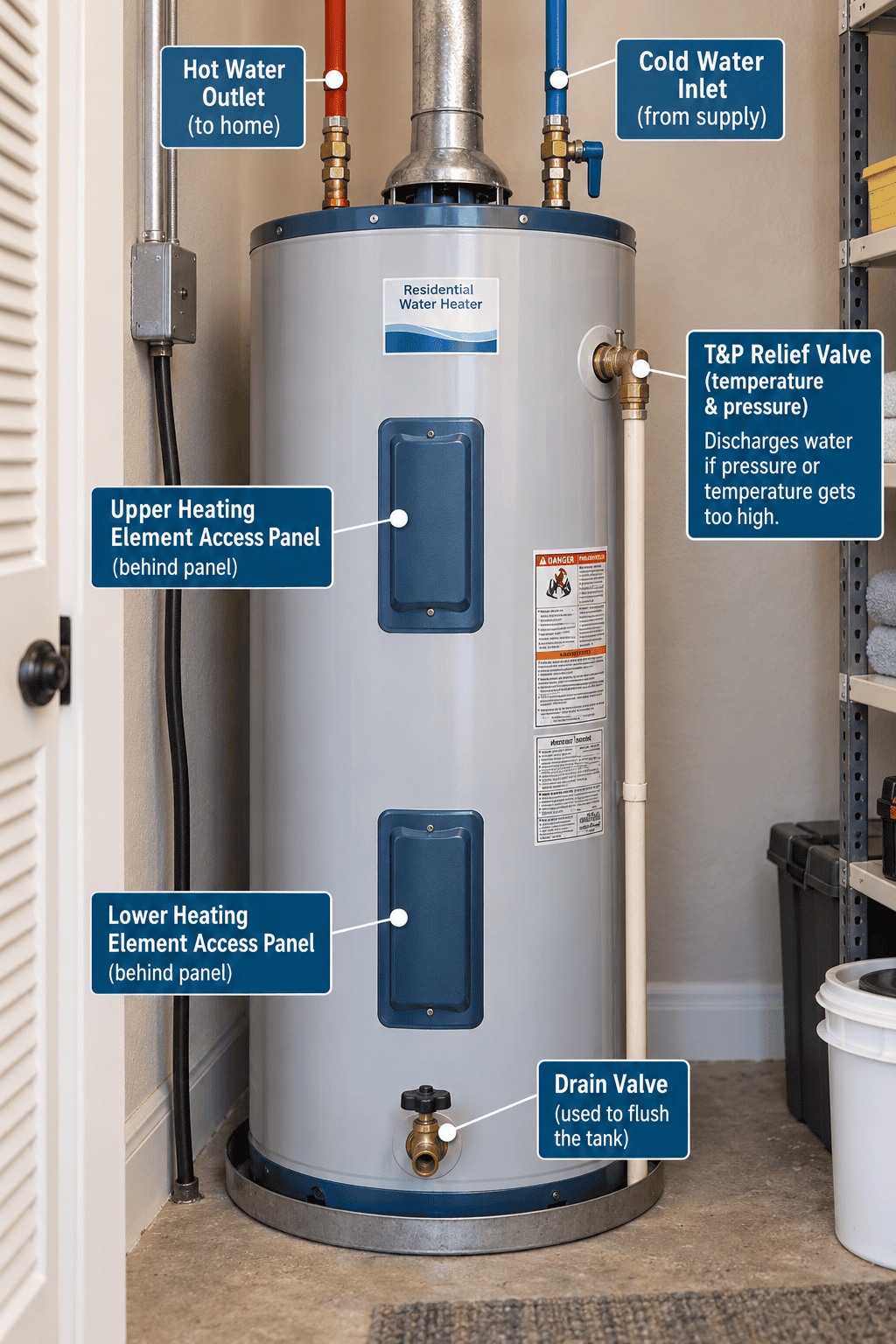
- Turn Off the Power: For electric water heaters, flip the dedicated breaker in your electrical panel before touching any components. Attempting to tighten or inspect heating elements with power running risks electrical shock and can dry-fire the element if water levels are low.
- Check the Water Pressure: Attach a pressure gauge to an outdoor hose bib and take a reading while the water is running. Residential pressure should fall between 40 and 80 PSI. A reading above that range points toward a pressure-reducing valve (PRV) as the solution, not anything internal to the water heater itself.
- Listen Closely to the Cycle: Pay attention to when the hum occurs. A noise that only appears when the unit is actively heating and stops when the thermostat is satisfied almost always points to a heating element. A constant hum regardless of the heating cycle is more likely a pressure or pipe vibration issue.
- Tighten Loose Elements: If you are comfortable with basic plumbing work, an element wrench, available at any hardware store, lets you snug up a loose heating element. Apply firm, steady pressure: enough to eliminate movement without cracking the element housing. Over-tightening is a real risk here, so stop when resistance increases noticeably.
- Flush the Tank: Sediment-related humming often improves significantly after a proper flush. Connecting a garden hose to the drain valve and letting the tank drain fully can clear out months of accumulated mineral deposits. Knowing how often to flush your water heater and doing it on a consistent schedule is one of the most effective ways to prevent this noise from returning.
Safety Warning: Never attempt to tighten heating elements or work on electrical components while the water heater is powered on. If you are unsure of your system’s configuration, always call a licensed master plumber to avoid electrical hazards or severe water damage.
One thing worth noting: if you flush the tank and tighten the elements and the hum persists at the same volume, you have gathered useful diagnostic information. You have ruled out the two most common causes, which tells a plumber exactly where to look next.
Is a Humming Water Heater Dangerous?
The short answer is that a low, steady hum is rarely a safety emergency. Most homeowners who hear this sound for the first time immediately wonder whether their water heater is about to fail catastrophically. That anxiety is understandable, but it is usually not justified. The mechanical vibrations that cause humming are a maintenance signal, not a distress signal.
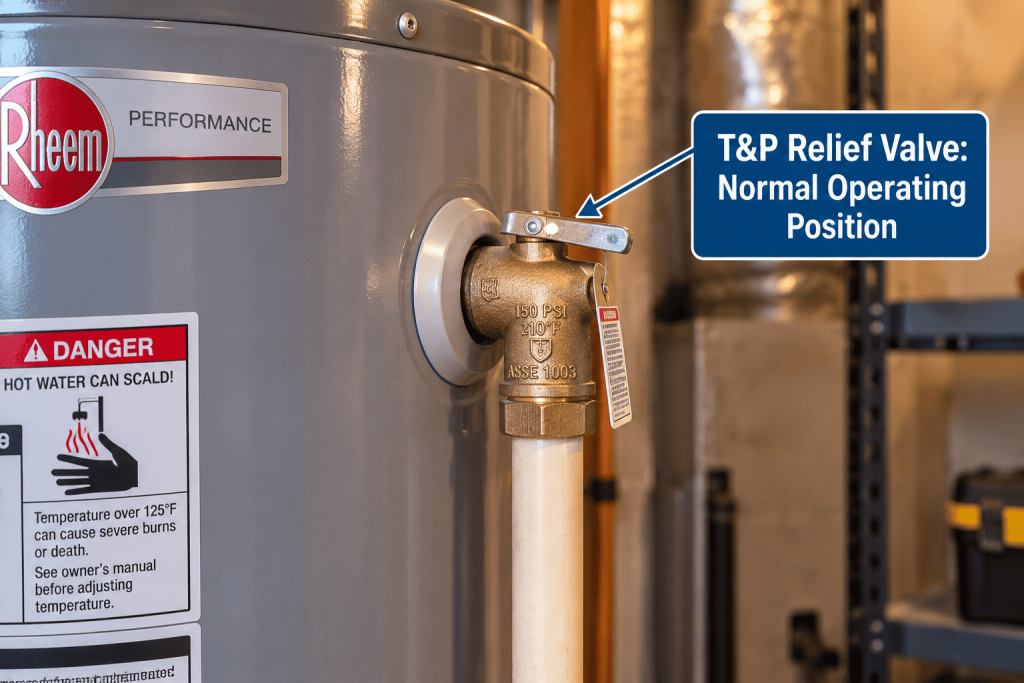
Every tank water heater is equipped with a temperature and pressure relief valve, the T&P valve, specifically designed to prevent over-pressurization. If internal pressure climbs to an unsafe level, the valve opens and releases it. That safety mechanism is why a hum, on its own, does not indicate imminent danger. It keeps you safe. The hum is a vibration, while the T&P valve handles actual pressure emergencies.
Where the concern becomes legitimate is when the humming is accompanied by other symptoms. A loud, metallic banging or popping sound, distinct from a hum, indicates severe sediment buildup where steam pockets are forcefully rupturing through a thick mineral crust. That kind of noise puts real thermal stress on the tank shell and can accelerate structural deterioration. Similarly, if you notice rust-colored water, visible pooling at the base of the unit, or a sharp drop in hot water availability alongside the hum, those are signs that something more serious is developing. In those situations, it is worth reading through the guidance on when to replace a water heater to assess whether repair or replacement makes more financial sense given your unit’s age and condition.
Traditional tank-style water heaters typically last between 8 and 12 years, depending on water quality, maintenance history, and the demands placed on the system. A unit in its second decade that has suddenly developed a persistent hum alongside reduced output is telling you a very different story than a three-year-old heater with a slightly loose element.
Restore Quiet to Your Utility Closet Today
A water heater that hums constantly is doing more than annoying you: it is working harder than it should, which shows up in utility costs and accelerated wear on internal components. Addressing the noise quickly is genuinely the lower-cost path, even when it requires a professional visit. Do not wait.
Our team has been keeping Orange Park and Jacksonville neighbors comfortable since the ’90s. Whether the fix is a simple tank flush, a heating element adjustment, or a pressure-reducing valve installation, we can diagnose and resolve the issue in a single visit. If you are ready to stop listening to that hum and start getting reliable hot water again, we repair water heaters across Clay and Duval County with same-day availability. Don’t worry, we’ll take care of it.
When to Call a Professional Plumber
DIY troubleshooting has real limits, and knowing where those limits are protects both you and your equipment. Safety is key. Working around high-voltage heating elements, gas control valves, or a tank under pressure carries risks that are not worth taking without the right training and tools. Industry organizations like PHCC Plumbing News consistently track the importance of licensed plumber standards, and those standards exist precisely because water heater work can go sideways quickly when approached without proper preparation.
- Persistent Humming After Flushing: If you have completed a full tank flush and the noise continues at the same volume, the heating elements likely need professional inspection and possible replacement. Flushing removes sediment; it does not fix a mechanically damaged element.
- Signs of Water Leaks: Any pooling water around the base of the tank, moisture on the floor, or corrosion at the fittings means the tank shell or connections have been damaged. This requires immediate professional assessment, not a wait-and-see approach.
- Fluctuating Hot Water Temperatures: A hum paired with inconsistent water temperature, scalding one day and lukewarm the next, suggests the thermostat or heating element is failing, not just vibrating. That combination warrants a diagnostic visit rather than another round of DIY adjustments.
- Loud Banging or Popping: Sounds that cross from a hum into a sharp, percussive bang or pop indicate advanced sediment accumulation that a simple flush will not fully clear. A professional can assess whether the tank can be restored or whether replacement is the more practical option.
While minor adjustments, like tightening an element, flushing the tank, or checking pressure, are well within a capable homeowner’s reach, professional intervention ensures your system remains safe and efficient for years to come. There is no prize for pushing past the point where a minor service call could have prevented a major emergency.
Frequently Asked Questions About Noisy Water Heaters
Why is my electric water heater making a buzzing sound?
A buzzing sound in an electric water heater is almost always caused by a vibrating heating element. This is very common. As electrical current flows through the element, the magnetic field and water flow can cause it to vibrate rapidly against the surrounding water. The sound is often more pronounced during the heating cycle and quiets once the thermostat reaches its set temperature. Tightening the element with an element wrench, after cutting power at the breaker, typically resolves it. If tightening does not stop the buzz, the element itself may have developed a hairline crack or internal fault and needs replacement.
Does sediment buildup cause humming?
Yes, and it is one of the more subtle causes because it develops gradually. When minerals settle at the bottom of the tank, they form a hardened layer that traps water underneath. As that trapped water heats up, it boils and creates steam bubbles that burst through the sediment layer, generating a humming, rumbling, or sizzling noise that can sound almost like something is boiling on a stovetop. The longer sediment is allowed to accumulate, the louder and more disruptive the sound becomes, and the more energy the unit consumes trying to heat water through an insulating mineral crust.
Can high water pressure cause a humming noise?
Absolutely. When your home’s incoming water pressure climbs above 80 PSI, it creates rapid vibrations within plumbing lines, valves, and the water heater tank itself, resulting in a constant hum or buzz that can be difficult to distinguish from an element issue. The key diagnostic difference is that pressure-related humming tends to be constant, present even when the heater is not actively in a heating cycle, whereas element vibration is typically tied to when the unit is heating. Installing a pressure-reducing valve (PRV) on the main supply line is the standard fix, and it protects every fixture and appliance in the house, not just the water heater.
How do I stop my AO Smith water heater from humming?
The approach is the same regardless of brand. Start by flushing the tank to clear out any accumulated sediment: knowing how to properly flush your water heater and doing it annually, or more frequently in hard-water areas, is the single most effective preventive measure. If the hum persists after flushing, have a professional check and tighten the heating elements. AO Smith units use standard element thread sizes, so this is a routine service call for any licensed plumber. If the noise continues after both steps, a pressure check and PRV evaluation should be the next diagnostic move.
Is a humming noise normal for new water heaters?
A very faint, low hum during the heating cycle can be normal operational noise, like the sound of water heating and minor thermal expansion in the tank walls. However, a loud, distinct humming or buzzing that you can hear from another room is not normal, even in a brand-new unit. New installations in areas with high municipal water pressure or aggressive mineral content can develop noticeable noise almost immediately. If your new water heater is humming loudly within the first few months, it is worth having the pressure checked and the elements confirmed tight before the issue compounds. Catching it early is considerably easier than addressing it after scale has had time to accumulate.
Getting Your Plumbing Back on Track
A humming water heater is one of those problems that rewards prompt attention. Left alone, what starts as a minor vibration can develop into sediment accumulation thick enough to reduce efficiency, shorten the unit’s lifespan, and eventually produce the kind of loud, troublesome noises that signal real structural stress on the tank. The hum is the system asking for maintenance, and maintenance at that stage is almost always cheaper and faster than what comes next if you wait.
For homeowners across Orange Park, Jacksonville, Middleburg, Green Cove Springs, and Fleming Island, the good news is that you do not have to figure this out alone. We are here. Whether you have already tried flushing the tank and the noise persists, or you would simply rather have a professional confirm the diagnosis before touching anything, having an experienced plumber take a look gives you a clear answer and a clear path forward.
When you are ready to stop guessing and get it handled, get in touch with Orange Park plumbers: we are available around the clock, and we know these systems inside and out.